
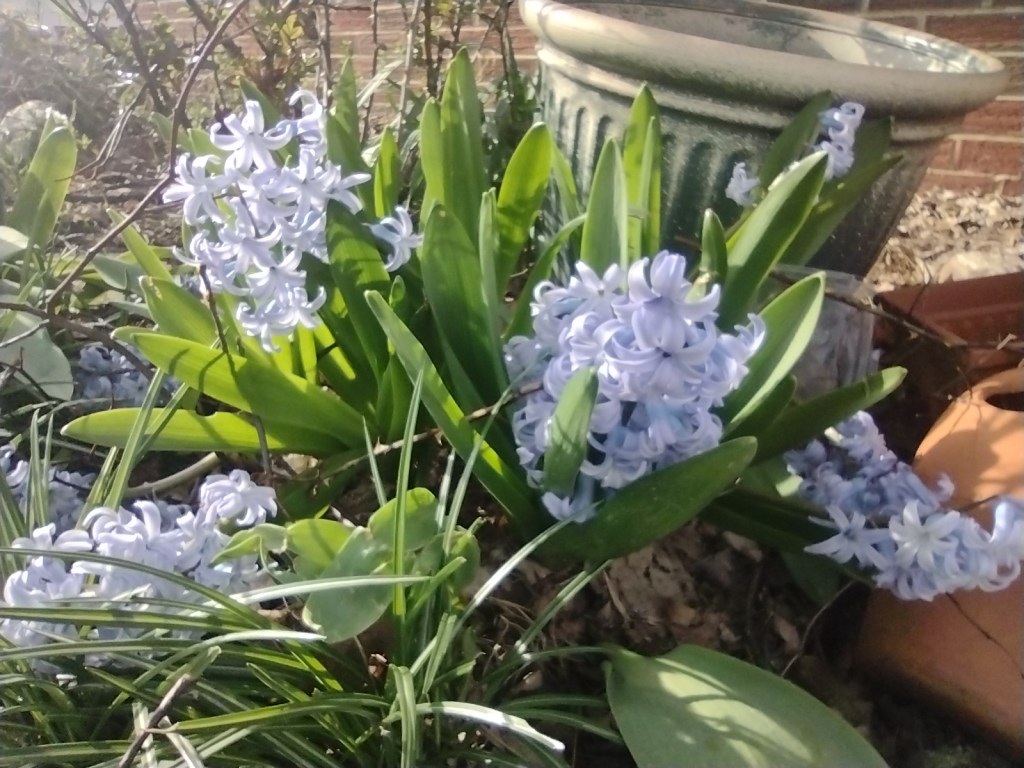
There’s something magical about the first signs of spring. After months of dull skies, bare trees, and icy sidewalks, those tiny green shoots poking through the soil feel like a promise that warmer, brighter days are on the way. Spring bulb flowers are like nature’s version of a fireworks show to celebrate winter’s end. They’re colorful, cheerful, and somehow feel more special because they’re the first to show up after the cold. Whether you’re a gardening pro or just someone who loves a pop of color in the yard, these flowers are totally worth getting excited about.
Why Bulb Flowers Are Basically Gardening Magic
The cool thing about bulb flowers is how low-maintenance they are. You plant them in the fall, forget about them all winter, and then — surprise! — they pop up when spring arrives like they never missed a beat. Tulips, daffodils, crocuses, and hyacinths are the usual stars of the show, and each one has its own charm. Crocuses are often the first to bloom, sometimes even pushing up through snow, which is just wild. Then the daffodils and tulips follow, showing off like they own the place.
The Low-Effort, High-Reward Flower Strategy
If you’ve ever wanted a garden that basically takes care of itself, bulbs are your best friend. As long as you pick a sunny spot and make sure the soil drains well, you’re pretty much set. The biggest trick is just remembering to plant them in the fall, which can be tough when you’re not exactly in a gardening mindset in October. But once you do it, you’ll be patting yourself on the back come March. There’s nothing quite like seeing those first blooms and realizing, “Hey, I made that happen!”
Popular Spring Bulbs: Meet the Stars of the Show
Here are some of the most common and beloved spring bulbs you’ll see in gardens and parks all over:
Tulips – These are probably the most iconic spring flowers. They come in almost every color you can imagine — reds, pinks, yellows, even deep purples and multi-colored varieties. Their smooth, cup-shaped petals and tall, graceful stems make them a real showstopper in any yard.
Daffodils – Bright yellow and super cheerful, daffodils are like sunshine on a stem. They’re tough, dependable, and critters like squirrels usually leave them alone. Some varieties have white petals with yellow or orange centers, and they smell amazing too.
Crocuses – These little guys are among the earliest bloomers, sometimes even flowering while there’s still snow on the ground. They’re short, sweet, and come in purples, whites, and yellows. You can plant a bunch together for a beautiful ground cover effect.
Hyacinths – These are the highly fragrant ones with clusters of little star-shaped flowers on a single thick stem. They come in pastel shades like lavender, pink, white, and baby blue. You’ll often smell them before you even see them.
Snowdrops – Tiny and delicate, snowdrops bloom super early and look like little white bells hanging upside down. They’re subtle, but they’re always one of the first signs that winter’s on the way out.
Mix, Match, and Play with Color
One fun thing about spring bulbs is how easy they are to mix and match. You can go full rainbow with tulips in every color, or stick to a theme like soft pastels or bold reds and yellows. Some people get really into layering bulbs — planting early, mid, and late bloomers so there’s always something flowering for a good stretch of time. It’s like designing your own living color show. And even if you’re not super confident about garden design, bulbs are pretty forgiving, so it’s hard to mess up too badly.
Squirrels, Pots, and Other Bulb Adventures
Now, let’s talk about squirrels. Those little guys have a bit of a reputation for digging up bulbs, especially tulips. It’s one of those things you don’t really think about until you see a squirrel in your yard holding what was supposed to be your future flower. But there are ways around it — like planting daffodils (which critters don’t like), using wire mesh over your bulbs, or sprinkling some repellent around the area. Gardening always comes with a few battles, but honestly, the flowers are worth the effort. Plus, it’s kind of satisfying to outsmart a squirrel once in a while.
If you don’t have a yard, don’t worry — spring bulbs aren’t just for people with gardens. You can grow them in pots on a balcony, or even “force” them indoors during the winter for an early taste of spring. Forcing bulbs sounds intense, but it just means giving them a fake winter in your fridge for a few weeks so they bloom early inside. It’s kind of like tricking them into thinking it’s spring already. Perfect for anyone who’s impatient and needs a little flower therapy in February.
A Little Effort Now, a Lot of Joy Later
There’s something really special about how spring bulbs come back every year, too. Once they’re planted, most bulbs will return bigger and better each season, especially if you leave the foliage alone for a bit after they bloom. That green leafy stuff isn’t just for show — it helps the bulb store energy for next year’s flowers. So even though it’s tempting to cut it down right away, giving it some time to do its thing pays off in the long run. Gardening is full of little lessons like that — patience, timing, and letting nature do its thing.
Get the Kids Involved, or Just Be One Yourself
If you’ve got kids, planting bulbs is also a great way to get them into gardening. It’s simple, it’s fast, and they don’t have to wait long to see results. There’s something really cool about watching a kid’s face when they see a flower growing where they put a bulb months ago. Plus, it’s a sneaky way to teach them about seasons, weather, and the basics of taking care of something living. And let’s be honest — it’s just nice to have an excuse to dig in the dirt together.
Plant Now, Smile Later
At the end of the day, spring bulb flowers are one of those small joys that make a big impact. They’re beautiful, easy to grow, and a little reminder that no matter how long or cold the winter gets, spring always comes back around. Whether you’re filling up a front yard, a few planters, or just a windowsill, bulbs bring color, life, and a little bit of hope with them. And honestly, we could all use a little more of that. So go ahead, plant some bulbs — future you will be glad you did.
 All Planted Out
Leave a comment