
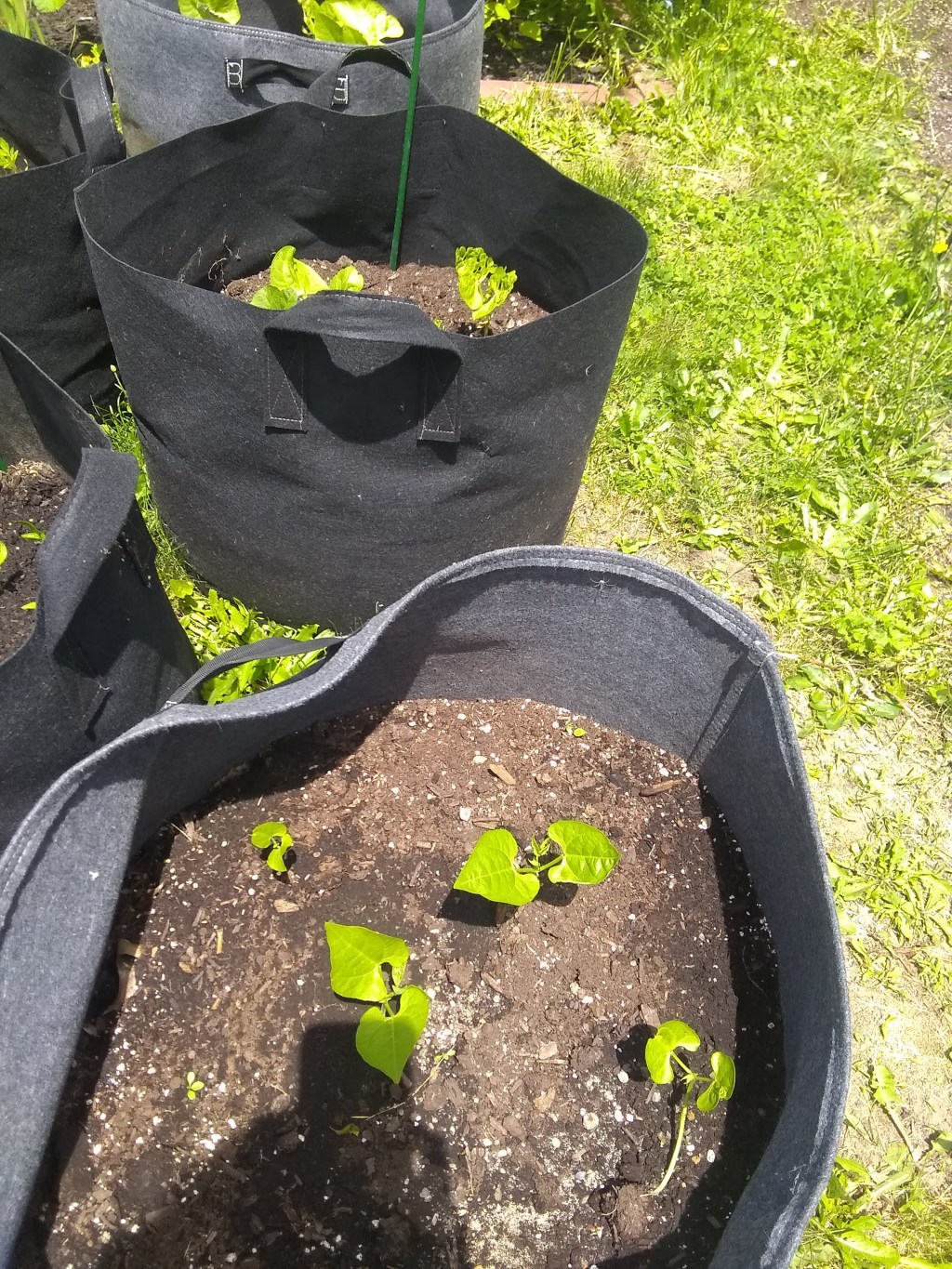
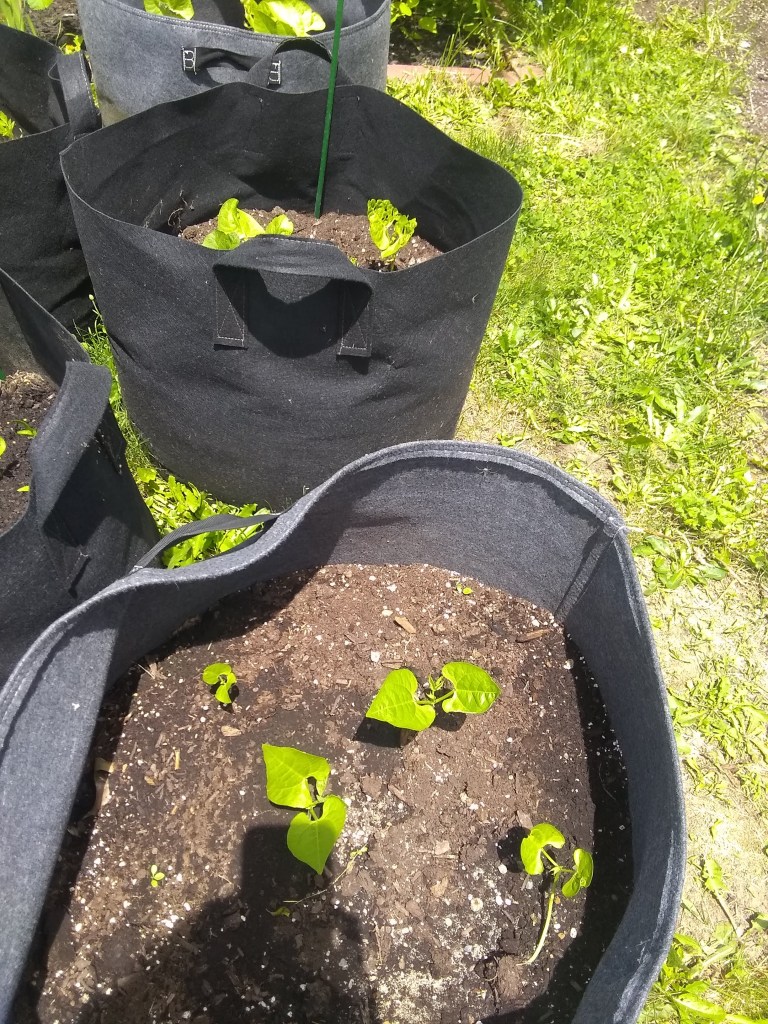
You don’t need a big backyard or a fancy greenhouse to grow your own plants. In fact, all you really need is a container, some dirt, and a little patience. Container gardening is a great way to dip your toes into growing flowers, herbs, or even veggies, especially if you’re working with a balcony, windowsill, or tiny patio. It’s simple, flexible, and totally beginner-friendly. If you’ve ever thought, “I wish I could grow something,” then you’re already halfway there.
Start with the Right Container
First things first—you’re gonna need a container. This can be anything from a traditional terracotta pot to an old bucket, a wooden crate, or even a repurposed coffee can. The main thing is that it needs to have drainage holes, so water doesn’t pool at the bottom and rot the roots. Size matters too: bigger pots hold more soil, which means more moisture and room for roots to grow. If you’re growing something like tomatoes, go for something deep and wide; for herbs, a shallow container works just fine.
Pick the Perfect Potting Mix
Next up is the dirt—well, technically, the soil. Don’t just grab dirt from your yard (if you have one); that stuff can be too dense and might have bugs or diseases. Go for a quality potting mix made for container gardening—it’s light, fluffy, and drains well, which your plants will totally appreciate. Some mixes even come with fertilizer already mixed in, giving your plants a solid head start. If you’re feeling fancy, you can mix in a little compost or perlite to boost nutrients and drainage.
Choose What You Want to Grow
Now comes the fun part: deciding what to plant. Think about what you actually like—if you’re into cooking, go for herbs like basil, mint, or thyme. Want to keep it colorful? Flowers like petunias, marigolds, or pansies do great in containers. If you’re feeling ambitious, try veggies like cherry tomatoes, lettuce, or peppers. Just make sure you’re picking stuff that fits your container and sunlight situation. Some plants love full sun, others prefer shade, so always check the plant tag or seed packet.
Watering and Feeding Your Plants
Plants in containers dry out faster than ones in the ground, so regular watering is key. Stick your finger in the soil—if the top inch feels dry, it’s time to water. In hot weather, you might need to water every day, especially for smaller pots. Feeding is also important because nutrients get used up quickly in containers. Use a liquid fertilizer every couple of weeks, or sprinkle some slow-release stuff into the soil at planting time.
Finding the Right Spot
Your plants aren’t picky, but they do have preferences. Most veggies and herbs like full sun—around 6 hours a day—so a sunny windowsill or balcony is ideal. Shade-loving plants like ferns or impatiens will be happier in spots that only get a bit of morning light. If you’re working indoors, consider placing pots near a bright window or even using a grow light if sunlight is limited. And don’t be afraid to move things around—one of the best things about container gardening is how mobile it is.
Dealing with Pests and Problems
Even with a small setup, you might run into some plant drama. Watch out for bugs like aphids or spider mites—they’re tiny but annoying. A quick spray of soapy water or neem oil usually does the trick. Also, keep an eye out for signs of overwatering (yellowing leaves) or underwatering (wilting). Don’t stress too much, though—trial and error is part of the gardening journey, and plants are more forgiving than you think.
Make It Your Own
Container gardening doesn’t have to be just about practicality—it’s a chance to get creative, too. Mix and match colors, play around with pot styles, or try vertical setups if you’re tight on space. Add fun stuff like garden gnomes, fairy lights, or painted pots to make your mini garden reflect your vibe. Some people even grow indoor herb walls or stackable planters to save space and add a little flair. There’s no right or wrong way—just what works for you and your space.
Grow What Makes You Happy
At the end of the day, container gardening is about growing something that makes you smile. Whether it’s fresh basil for your pasta or a cheerful daisy on your desk, there’s real joy in watching something thrive because of your care. You don’t need to know all the rules or get everything perfect on the first try. Just start with one pot, one plant, and go from there. Before you know it, you’ll be surrounded by your own little patch of green goodness.
 All Planted Out
Leave a comment