
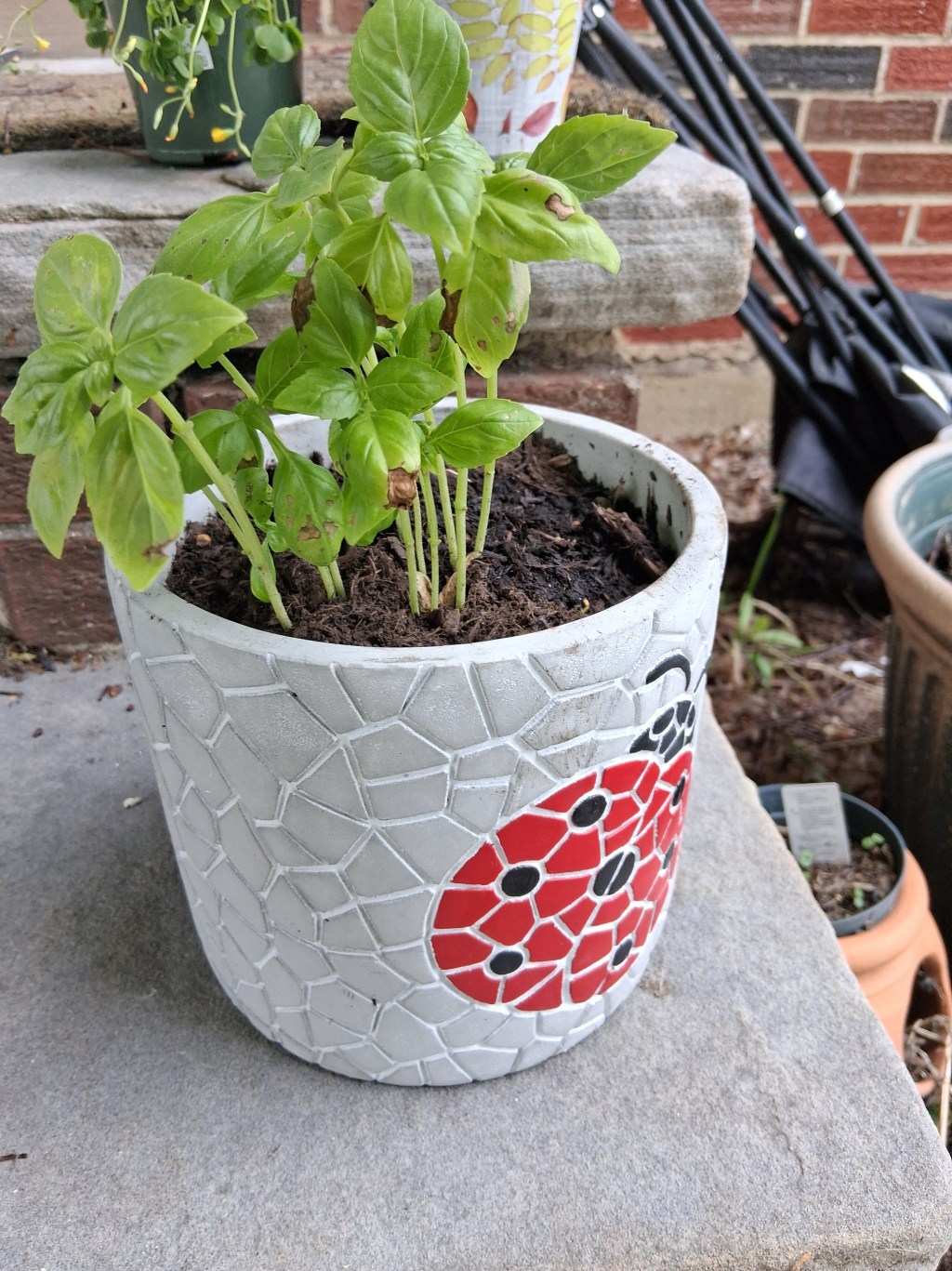
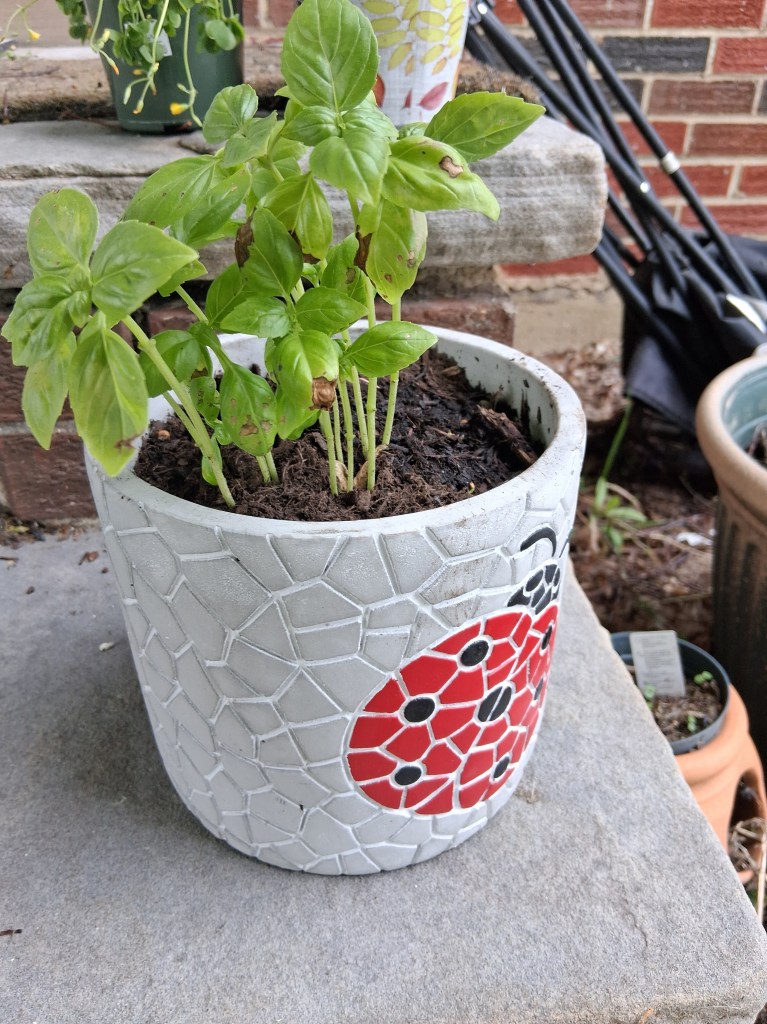
Growing basil is one of those things that sounds harder than it actually is. If you’ve ever looked at a thriving basil plant and thought, “I could never keep that alive,” I’ve got good news: you absolutely can. Basil isn’t just for seasoned gardeners or people with a Pinterest-worthy backyard. You don’t need a green thumb—just a little know-how, some sunshine, and a sprinkle of patience. Let’s walk through it together, step by step, without any of the boring, overly technical gardening talk.
Picking Your Basil (So Many Kinds!)
First off, you’ll want to decide what kind of basil to grow. There’s sweet basil, which is the most common and perfect for pesto or tossing on pizza. Then there’s Thai basil with a slight licorice flavor, lemon basil if you’re into citrusy vibes, and even purple basil, which looks super fancy. Most people start with sweet basil, and that’s honestly a solid choice. You can grab seeds or starter plants at most garden centers, or even online if you’re more of a couch gardener.
Finding the Right Spot
Basil is a sun lover—seriously, it lives for the light. You’ll want to give it at least 6 hours of sunlight a day, more if possible. A sunny windowsill can work if you’re growing it indoors, or a porch or balcony will do the trick outside. It doesn’t love cold weather though, so wait until temps are consistently above 60°F (about 15°C) before planting outside. Basically, if you’re still wearing a hoodie outside, your basil would rather stay inside too.
Soil and Pots (Not as Boring as It Sounds)
Okay, here’s the deal with soil: basil isn’t super picky, but it does like well-draining, slightly rich soil. If you’re growing in a pot, make sure it has holes at the bottom so water doesn’t pool up and drown your poor basil. Use a good potting mix, and avoid the super cheap stuff that feels like wet newspaper. If you’re planting in the ground, mix in a little compost or aged manure (yes, the stinky stuff—plants love it). And keep the spacing in mind: basil needs a little breathing room, so don’t cram it in.
Watering Without Overdoing It
This part trips people up, but don’t worry—it’s easier than it seems. Basil likes moisture, but it really hates soggy roots, so you want to water when the top inch of soil feels dry. Stick your finger in the dirt (seriously), and if it’s dry, give it a drink. If it still feels damp, leave it alone. During hot weather, you might need to water daily, especially if your basil is in a container. Just don’t fall into the trap of loving your basil to death with too much water.
The Fun Part: Harvesting
Here’s the trick to keeping your basil plant happy and bushy—pinch it! Once the plant has about six to eight leaves, you can start harvesting. Don’t just grab the big leaves on the bottom; instead, snip the stem just above a pair of leaves. This encourages two new stems to grow from that spot, making the plant fuller over time. If it starts flowering, pinch those off too—flowers make it look pretty, but they can mess with the flavor. And let’s be real, we’re here for the pesto, not the flowers.
Common Issues and What to Do
Basil can get cranky sometimes, especially if it’s not getting what it wants. If the leaves start turning yellow, it might be overwatered or not getting enough sun. Leggy stems (all stem, no leaves) usually mean it’s stretching for light, so move it to a sunnier spot. Watch for pests like aphids or spider mites, especially if you’re growing indoors. A quick blast of water or some neem oil spray usually clears them out. Most of the time, a little troubleshooting goes a long way—basil isn’t out to get you, I promise.
Keep It Going
Basil is an annual, which means it’ll eventually run its course, especially if it’s growing outside. But if you really fall in love with it (and you might), you can keep it going longer indoors or start fresh plants from cuttings. Just snip a healthy stem, stick it in a glass of water, and watch for roots to grow in a week or two. Boom—free basil plant. You can also stagger your planting so you have fresh basil for months. Trust me, once you start, it’s hard to stop.
Wrapping It Up
So there you have it—growing basil without stress, drama, or a degree in horticulture. With a little sunlight, the right amount of water, and a bit of love, you’ll have more fresh basil than you’ll know what to do with. Throw it in salads, make a killer caprese, or freeze some pesto for winter. And hey, even if your first plant doesn’t survive long, you’ll know what to do better next time. Gardening is all about learning—and basil is the perfect plant to start with.
 All Planted Out
Leave a comment