
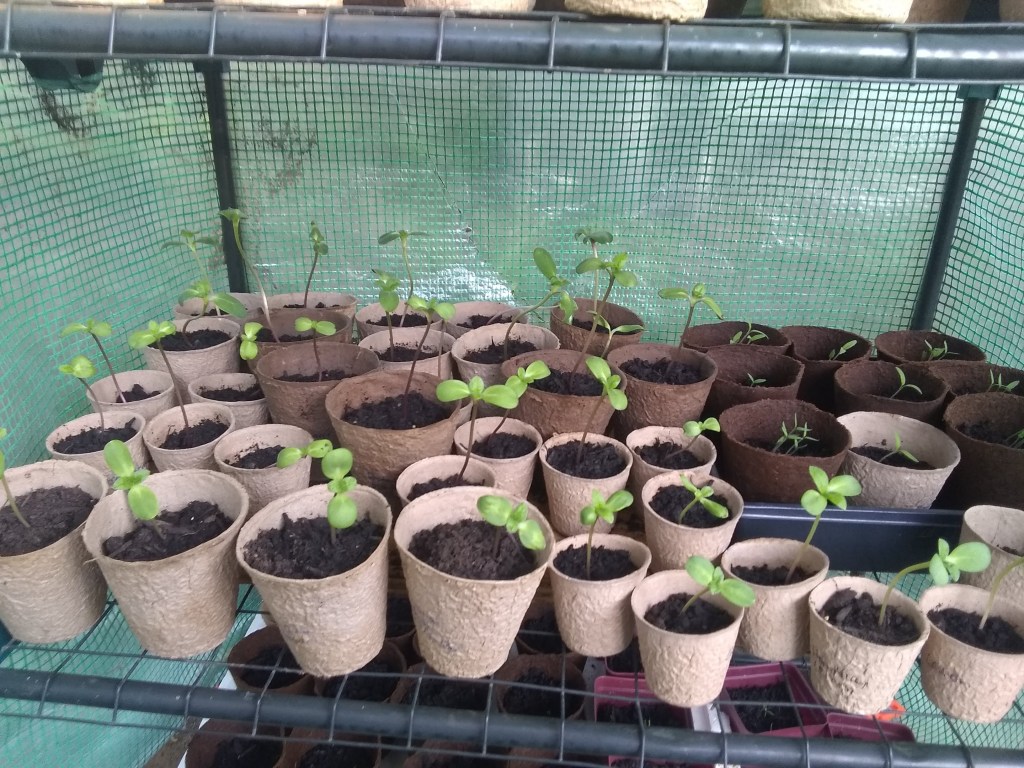
If you’ve ever started a garden from scratch, chances are you’ve come across those little brown seed pots that claim to break down naturally in the soil. They look eco-friendly, feel like a great alternative to plastic, and promise to make transplanting your seedlings super easy. Just pop the whole pot in the ground—no mess, no stress, right? Well, not always. As someone who’s watched seedlings struggle, wilt, or get completely choked out, I can tell you that decomposing seed pots aren’t the magical solution they seem to be.
Let’s get this out of the way early: yes, in theory, these pots are supposed to decompose. But the reality depends on a whole bunch of factors—soil moisture, temperature, and how tightly packed the pot is when you plant it. Sometimes they hang around way longer than you’d expect, forming a barrier that roots can’t easily push through. I’ve dug up plants months later and found the pot still half-intact, like a tiny, unwanted time capsule. And that’s a problem when you’re hoping your tomatoes or peppers are busy setting down strong, healthy roots.
Roots Need Freedom, Not Cardboard Prisons
One of the biggest issues with these so-called biodegradable pots is how they can restrict root growth. If the pot doesn’t break down fast enough, the plant’s roots may just swirl around inside or get stunted, unable to escape into the surrounding soil. It’s like trying to grow your foot while it’s stuck in a shoe two sizes too small. And let’s be real—plants don’t need that kind of stress, especially during transplant shock. In the worst-case scenario, you end up with a sad, underdeveloped plant that can’t compete with its neighbors.
You might be thinking, “But I followed the directions!” Yeah, I did too. Turns out, even when you water regularly and plant them right at soil level, these pots sometimes dry out faster than the dirt around them. That dry cardboard creates a mini wall between the root ball and the soil, making it harder for water to reach the roots. The result? Your seedling starts to dry out, even though the rest of your garden is thriving.
Not All Materials Are Made Equal
Here’s something else they don’t always tell you: not every “biodegradable” pot is made from the same stuff. Some are just compressed peat moss or coconut coir, which break down fairly well—assuming conditions are just right. But others are blended with glues or fibers to help them hold their shape, which can seriously slow down the decomposition process. I’ve even seen pots labeled “compostable” that didn’t show any signs of breaking down after an entire season. That kind of defeats the purpose, doesn’t it?
Plus, depending on the material, some of these pots can mess with your soil over time. Extra acidity, weird fiber buildup, or unexpected changes to drainage can throw off the balance in your garden bed. It’s not like your plants are going to send you a memo, either—you’ll just notice they’re not growing as quickly or looking as healthy. At that point, you’re left scratching your head, wondering what went wrong. Spoiler alert: it might be that “eco-friendly” pot you trusted.
Moisture Matters More Than You Think
If you’ve gardened for any length of time, you know moisture is a huge deal. Seedlings especially need consistent hydration, and decomposing pots can mess that up big time. Because some of these pots are more absorbent than the soil around them, they can actually pull water away from your plants. That means even if you’re watering consistently, the roots might still be drying out. It’s a cruel twist, especially if you’re doing everything “right.”
You’d think a product marketed toward beginners would be a little more forgiving. But instead, these pots sometimes create more problems than they solve. I’ve lost entire trays of seedlings this way—thriving one day, completely wilted the next, all because their pots sucked up the water before the roots could. Talk about frustrating. It kind of makes you wonder whether just skipping them altogether might be the better option.
There Are Better Alternatives Out There
Luckily, if you’re fed up with underperforming seed pots, you’ve got other options. Some gardeners swear by reusable plastic cells or trays—they’re not zero waste, but they last for years and don’t mess with root development. Others use soil blocks, which skip the pot altogether and let roots grow naturally with no barriers. Even homemade newspaper pots seem to break down better than some of the store-bought options. The key is finding something that works for your climate and watering habits. Don’t be afraid to experiment—your plants will let you know what they like.
And hey, if you’re still into biodegradable pots, just keep an eye on them. Make sure they stay damp, tear the bottoms open before planting, or even remove the pot entirely if it’s safe to do so. A little extra effort can go a long way in making sure your garden gets off to a strong start. Because at the end of the day, the goal isn’t to stick to some trend—it’s to grow happy, healthy plants.
It’s Not All Rot and Ruin, But Be Wary
Decomposing seed pots aren’t evil—they’re just a bit overhyped. Sure, they work for some folks under perfect conditions, but for many of us, they cause more headaches than they’re worth. Between root restriction, water issues, and slow breakdown times, you’ve got to be cautious. If you’re going to use them, be smart about it: tweak how you plant, monitor moisture, and don’t assume they’ll disappear on their own. Because when it comes to gardening, it’s not just about planting—it’s about setting your plants up to thrive.
 All Planted Out
Leave a comment