
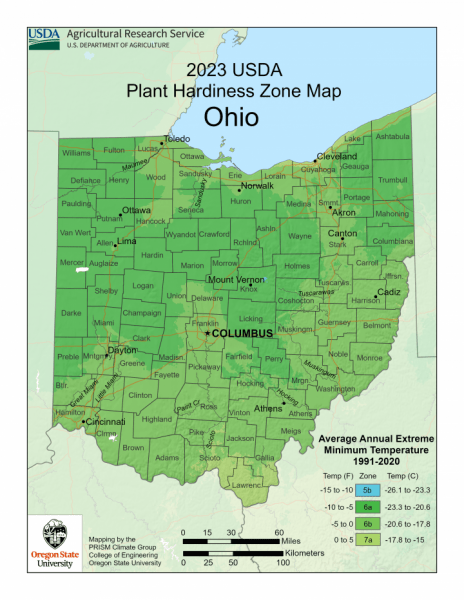
If you’ve ever stood in a garden center, eyeing a tomato plant and wondering whether it would survive in your backyard, you’re not alone. Whether you’re a seasoned gardener or just starting out with a few pots on the patio, understanding your plant hardiness zone is the first step toward growing success. For folks in Ohio, the USDA Plant Hardiness Zone Map is a handy tool that takes some of the guesswork out of gardening. Let’s dig into what it means, how it works, and what it means for planting in the Buckeye State.
What Are USDA Plant Hardiness Zones, Anyway?
Think of USDA hardiness zones as gardening’s version of a weather report—just more long-term. The U.S. Department of Agriculture developed the map to help gardeners figure out which plants are likely to thrive in their area based on average winter temperatures.
Each zone represents a 10-degree Fahrenheit range of the average annual minimum temperature. And those zones are further split into “a” and “b” sections, which separate the range into 5-degree increments. So when you see a plant label that says “hardy to Zone 6b,” you’ll know it can survive a winter where temps might dip as low as -5°F.
Ohio’s Zones: A Patchwork of Possibility
Ohio is one of those states that doesn’t like to keep things simple. Because of its varied terrain and changing climate patterns, the state actually covers four different zones: 5b, 6a, 6b, and a small smattering of 7a.
Here’s the breakdown:
- Zone 5b: This is the coldest zone in Ohio, with minimum temps dropping between -15°F and -10°F. You’ll mostly find this in the northwestern part of the state, especially in higher elevations or open farmland where winds can really bite in winter.
- Zone 6a: This zone stretches across much of northern and central Ohio. Temperatures here can drop between -10°F and -5°F. Cities like Columbus and Canton land in this range.
- Zone 6b: Southern Ohio starts warming up a bit, and so does this zone, where winter lows typically sit between -5°F and 0°F. Cincinnati and parts of Dayton fall into this category.
- Zone 7a: Believe it or not, a tiny slice of southern Ohio just nudges into Zone 7a. This zone features minimum temps from 0°F to 5°F. It’s not a huge area, but it’s warm enough to try some plants that wouldn’t make it further north.
Why This Matters for Your Garden
Knowing your hardiness zone isn’t about limiting your options—it’s about choosing wisely. You don’t want to pour time and energy into a plant that’s destined to shrivel come January.
For example, someone in Toledo (Zone 6a) should think twice before planting a fig tree that needs Zone 7 to survive winter without a fight. But the same tree might do okay with some serious winter protection in southern Ohio.
It’s not just about trees and shrubs either. Perennials, bulbs, even certain vegetables and herbs—many come with hardiness ratings that tell you how far they’ll go without freezing their roots off.
Microclimates: Your Secret Gardening Weapon
While the USDA zones are a great general guide, they’re not the whole story. Local conditions like wind protection, slope, soil type, and even urban heat can create “microclimates” in your yard. A sunny, south-facing wall can keep a bed significantly warmer than the rest of your property. That little pocket might act more like a 6b than a 6a.
That means if you’re feeling a bit adventurous, and your garden has the right spot, you might be able to stretch the rules a bit. Just don’t bet the whole harvest on it.
What to Plant in Each Zone
To give you a quick idea, here’s a sampling of what tends to grow well in each of Ohio’s zones:
- Zone 5b: Stick to the hardy types—think peonies, black-eyed Susans, hostas, and cold-tolerant vegetables like kale and carrots.
- Zone 6a: You’ve got a little more wiggle room. Hydrangeas, coneflowers, and azaleas will do just fine here, along with most common fruits and veggies.
- Zone 6b: Time to have fun. Try blueberries, crepe myrtles, even the occasional hardy banana (with protection). Tomatoes, peppers, and squash thrive in summer.
- Zone 7a: This is where things get interesting. You might be able to get away with more tender perennials like rosemary, figs, and camellias—though keeping an eye on late frosts is still smart.
Ohio’s Climate
So, what’s the big takeaway? Understanding your USDA hardiness zone is like having a personalized roadmap for gardening. It doesn’t tell you everything, but it gets you pointed in the right direction.
Ohio’s varied climate means it has something for every kind of grower—from hardy northern gardens to warmer, southern corners where more daring choices might just survive the winter. Whether you’re growing your first tomato or planning a full-blown pollinator paradise, knowing your zone helps you set the stage for success.
So grab a shovel, keep one eye on the weather, and let your zone guide you—but not box you in. After all, part of the fun is seeing what you can grow.
 All Planted Out
Leave a comment