

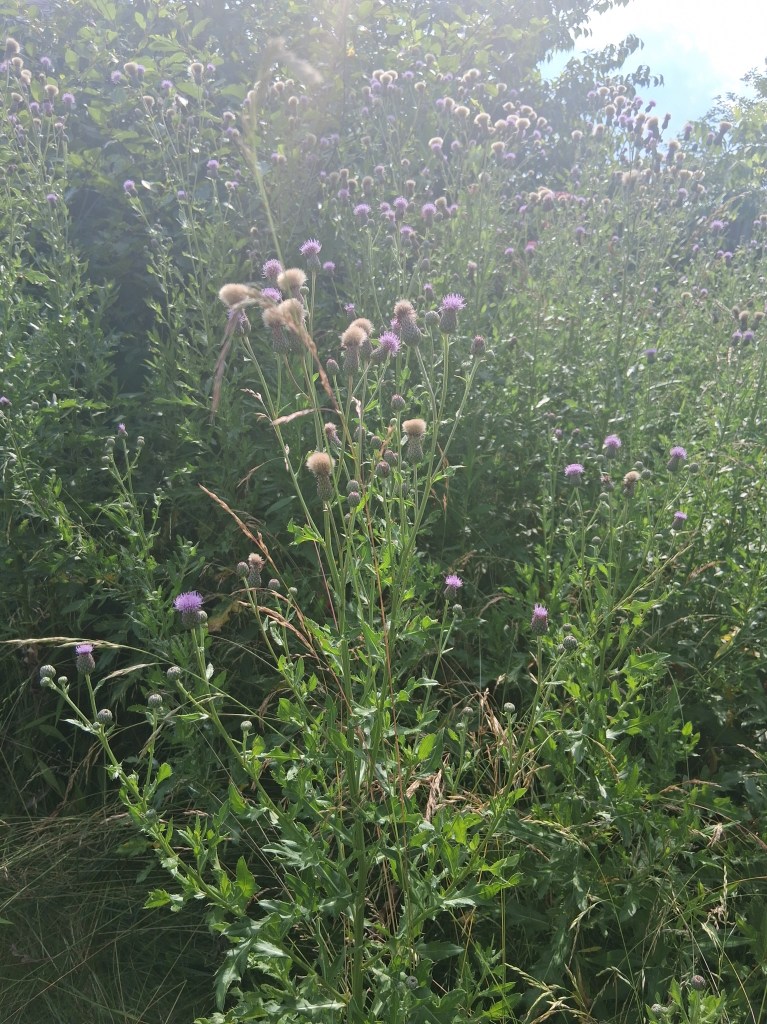
Let’s be honest—gardening can be downright painful when prickly weeds get involved. Whether it’s burweed, thistles, sandspurs, puncturevine, or prickly lettuce, these plants have a special talent for making you regret leaving your gloves in the shed. If you’ve ever pulled one bare-handed and spent the rest of the day picking out tiny thorns, you know exactly what I mean.
Thankfully, the right gloves can turn a painful chore into a hassle-free task. In this post, we’ll dig into what makes a great pair of gloves for tackling thorny, spiky, stabby weeds—and which materials and designs are worth your time (and money).
Why Ordinary Gloves Won’t Cut It
A basic pair of cotton or knit gardening gloves might be fine for weeding around tomatoes or transplanting basil, but they’ll leave your hands defenseless against nature’s mini weapons. Weeds like puncturevine (also called goathead) and sandspurs can pierce right through thin fabric. Thistles and burweed often have barbed spines that latch on and break off in your skin. Not fun.
The key is protection. You need gloves made to resist punctures, abrasions, and, ideally, water—because many of these weeds grow in places where soil is damp or muddy.
What to Look for in Gloves for Thorny Weeds
When shopping for gloves to handle nasty weeds, consider the following features:
Puncture-Resistant Material
Look for gloves made with synthetic leather, pigskin, or cowhide. These materials are thick enough to stop most thorns in their tracks. Some gloves are reinforced with Kevlar or other high-durability fabrics for extra protection.
Bonus Tip: Gloves with a double-layer palm and fingertip protection offer better resistance without sacrificing flexibility.
Long Cuffs or Gauntlets
A lot of prickly weeds tend to hide in overgrown areas or between shrubs, which means you’ll be reaching into potential thorn zones. Gloves with long cuffs—ideally elbow-length—can shield your wrists and forearms from scratches and surprise stabs.
Rose-pruning gloves often double nicely for this purpose. They’re made for dealing with thorny stems, which makes them perfect for battling weeds like thistles or burweed.
Snug, Comfortable Fit
Thick gloves can feel clumsy, but the right fit makes a world of difference. Gloves that are too loose can slip, bunch, or leave gaps where spines can sneak through. Too tight, and you’ll lose dexterity.
Try on a few styles to see what works best for your hand size and gardening style. If you’re ordering online, check size charts and user reviews for guidance.
Water Resistance
Some thorny weeds thrive in moist or compacted soil—especially puncturevine, which loves warm, disturbed ground. Water-resistant gloves help keep your hands dry and reduce the chance of thorns pushing through softened fabric.
Look for gloves with a nitrile or rubber coating over the palm and fingers if you’ll be dealing with wet conditions.
Top Glove Types for Prickly Weeds
To make your shopping easier, here are a few types of gloves gardeners swear by for nasty weed work:
Leather Rose Gauntlet Gloves
Originally designed for rose care, these gloves usually feature thick cowhide or goatskin palms with extended suede or canvas gauntlets. They offer top-notch thorn resistance and excellent forearm coverage—perfect for getting into weedy thickets.
Best for: Thistles, burweed, and any overgrown weedy mess you need to reach into.
Heavy-Duty Work Gloves with Reinforced Palms
Some brands market gloves specifically for tough yard work, often labeled “thorn-proof” or “puncture-resistant.” These often combine synthetic leather with padding or double-stitching.
Best for: Sandspurs and puncturevine, where the spikes are small but brutal.
Nitrile-Coated Gloves (with a Thick Base)
While not always fully thorn-proof, nitrile-coated gloves offer a good mix of dexterity and protection—especially when backed with a thick, dense knit. They’re a good choice for pulling weeds by the roots without getting your hands soaked.
Best for: Quick weeding jobs in damp or compacted soil.
A Few Tips for Weed Warriors
- Don’t forget your knees. Use a kneeling pad or wear long pants—those sandspurs love to hitch a ride.
- Inspect your gloves. Even the best gloves wear out. Check seams and fingertips before heading out.
- Have a backup pair. Gloves get wet, dirty, or lost more often than we like to admit. Having a spare set means you’re never stuck.
A Little Armor Goes a Long Way
Handling prickly weeds doesn’t have to feel like a duel with Mother Nature. The right gloves act like armor for your hands, letting you yank, dig, and pull without paying the price in splinters and scratches. Invest in a solid pair designed for thorn resistance—preferably with long cuffs and a snug fit—and you’ll save yourself a lot of discomfort (and maybe a few curse words).
Gardening should be satisfying, not painful. So next time you see a patch of burweed or a sneaky thistle creeping into your beds, grab your gloves and handle it like a pro.
 All Planted Out
Leave a comment