
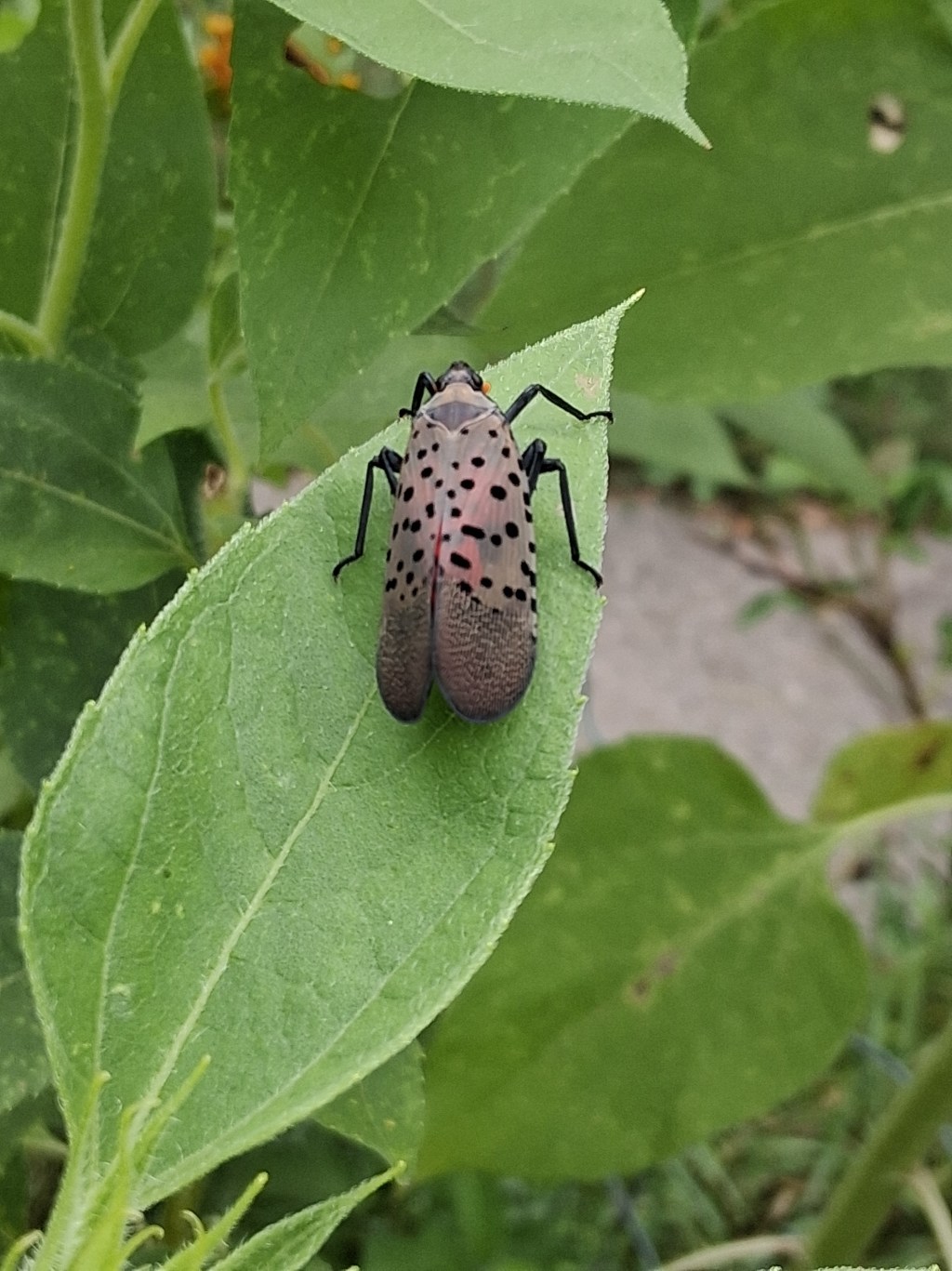
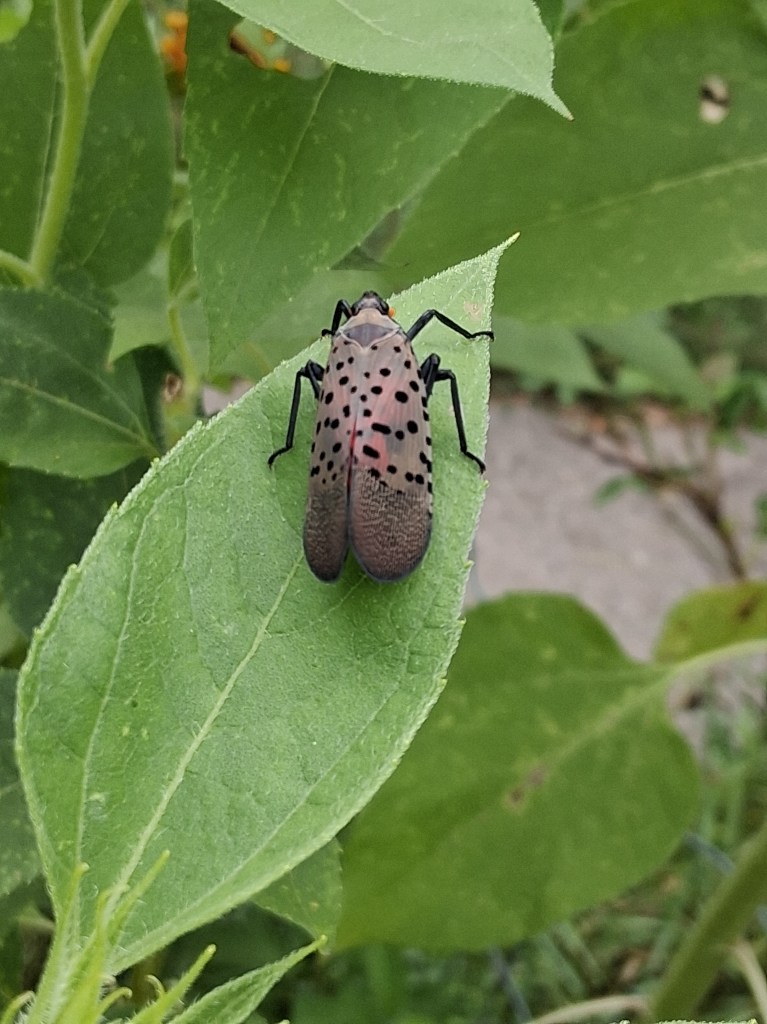
If you’ve spent any time outdoors in late summer, you might have noticed a pretty little insect fluttering around that looks like it belongs in a tropical jungle. With polka-dotted wings and a flash of bright red when it flies, the spotted lanternfly might seem harmless—even beautiful at first glance.
But don’t be fooled.
Behind that delicate appearance is a pest that’s causing serious trouble for trees, gardens, vineyards, and ecosystems across several states. Whether you’re a backyard gardener or a casual plant lover, it’s important to know what this bug is, why it matters, and what you can do about it.
Let’s break it down, gardener to gardener.
What Exactly Is the Spotted Lanternfly?
The spotted lanternfly (Lycorma delicatula) is a type of planthopper originally from Asia. It first showed up in the United States in 2014, and since then, it’s spread quickly—mostly in the Northeast and Mid-Atlantic, but it’s been popping up in new areas every year.
Despite the name, it’s not a fly at all. It’s more closely related to aphids and cicadas. As adults, lanternflies are about an inch long, with light gray wings speckled with black spots. When they fly, they show off a bright red underwing, which makes them pretty easy to identify—if you catch one in action.
They might be eye-catching, but these insects are bad news for plants.
Why Gardeners Should Care
Spotted lanternflies feed by piercing plants and sucking out their sap. They’re not picky eaters either. While they’re especially fond of tree-of-heaven (an invasive tree species), they’ll also feed on:
- Grapevines
- Fruit trees (especially apples, peaches, and plums)
- Maples
- Black walnut
- Willows
- And yes, even some garden plants and ornamentals
As they feed, they excrete a sugary substance called honeydew (no, not the melon), which attracts other pests like ants and wasps. This honeydew also encourages the growth of sooty mold, a black fungus that can coat leaves and block sunlight, making it hard for plants to photosynthesize.
In short, if you’re growing anything leafy, woody, or fruiting, spotted lanternflies can be a real headache.
The Life Cycle: Know Your Enemy
One of the most important ways to deal with these bugs is to understand how they live and reproduce.
- Egg stage (fall to spring): Adults lay clusters of eggs—around 30-50 at a time—on tree bark, rocks, fences, firewood, and even cars. The eggs are covered with a grayish, mud-like substance that blends in easily.
- Nymph stage (spring to early summer): When the eggs hatch, tiny black nymphs with white spots emerge. As they grow, they go through several stages (called instars), eventually turning red and black before becoming adults.
- Adult stage (late summer to fall): The adults emerge in late summer and are active until the first hard frost. This is when they do most of their feeding—and laying eggs for the next generation.
If you can spot the eggs early, you’ve got a shot at slowing their spread.
What Can Gardeners Do?
Unfortunately, there’s no silver bullet when it comes to controlling spotted lanternflies, but there are a few things you can do that make a big difference.
1. Scrape Egg Masses
During fall and winter, inspect trees, fences, patio furniture, and even vehicles for egg masses. Scrape them off with a credit card or paint scraper, drop them into a container with rubbing alcohol or hand sanitizer, and seal it. (Don’t just scrape them onto the ground—they’ll still hatch!)
2. Smash the Bugs
Yes, really. If you see adult lanternflies or nymphs, squash them. It’s not pretty, but every one you kill is one less laying eggs.
3. Set Traps (Carefully)
Sticky bands around trees can catch nymphs, but they also catch beneficial insects and even birds. If you use traps, make sure they’re designed with wildlife safety in mind—some come with guards or mesh screens to prevent bycatch.
4. Don’t Move Firewood or Outdoor Equipment
Spotted lanternfly eggs can hitch a ride on almost anything. If you’re traveling from an infested area, inspect your gear, vehicles, and firewood. It might seem small, but it helps slow the spread.
5. Encourage Natural Predators
Chickens, birds, and even some spiders and praying mantises have been known to eat spotted lanternflies. While predators alone won’t solve the problem, every bit helps.
Don’t Panic, But Stay Vigilant
It’s easy to feel overwhelmed when you hear about invasive pests. But the truth is, gardeners like you are on the front lines of this fight. You’re outside, you’re observant, and you care about your plants.
If everyone does a little—scrapes some eggs, squashes some bugs, spreads the word—it can add up to a big impact. Stay informed, keep your eyes open, and don’t be afraid to take action.
A Battle Worth Fighting
The spotted lanternfly may be new on the scene, but it’s not unbeatable. With some awareness and a few practical steps, home gardeners can help protect their landscapes, local ecosystems, and even the broader food supply.
Yes, it’s a bit of extra work. But as every gardener knows, the best things in life usually are.
So keep your eyes peeled for polka dots and red wings—and maybe carry a flyswatter when you’re walking in the garden. Just in case.
 All Planted Out
Leave a comment