
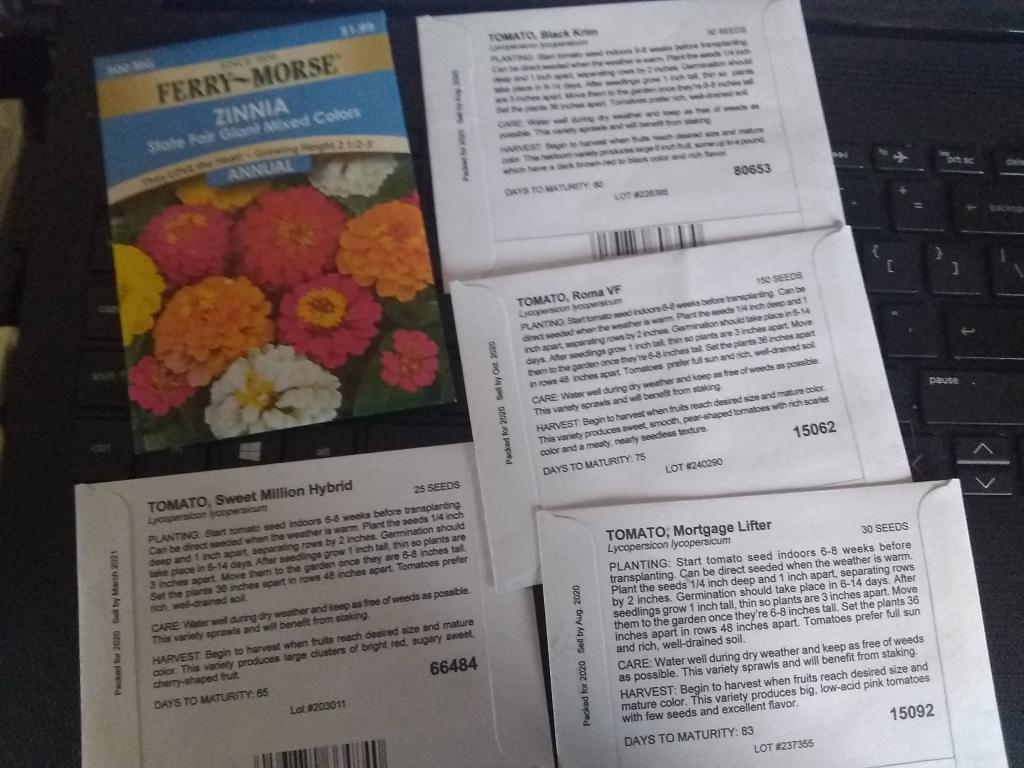
If you’ve ever found an old packet of seeds at the bottom of your gardening tote, you might have wondered if they’re still worth planting. The good news is that seeds don’t come with an instant expiration date—but their vitality does fade over time. How long they last depends on the type of seed, how they’ve been stored, and a bit of luck. Some seeds sprout happily years past their “best by” date, while others lose their spark in a season or two. Knowing how to handle and test them can save you time, money, and disappointment when planting day arrives.
Typical Lifespans for Common Seeds
Not all seeds are created equal when it comes to longevity. For example, tomato, cucumber, and radish seeds often stay viable for four to six years, while onions, parsley, and spinach may only last one or two. Larger seeds, like beans and peas, tend to remain usable for several years if stored well. Flower seeds vary widely—marigolds can last for years, while petunias have a much shorter window. Having a rough idea of these timelines helps you plan ahead and avoid planting duds.
The Importance of Proper Storage
A seed’s shelf life is strongly tied to how it’s stored. They prefer cool, dark, and dry conditions—think of a sealed jar in a pantry or a paper envelope tucked into an airtight container in the fridge. Heat, light, and moisture are the enemies of seed viability, encouraging mold growth or premature sprouting. Avoid leaving seed packets in garden sheds or garages, where temperature swings can be dramatic. If stored correctly, even seeds that typically fade fast can sometimes surprise you with strong germination rates.
How to Test Old Seeds for Viability
If you’re unsure whether an older batch of seeds is still good, a simple germination test can give you the answer. Dampen a paper towel, place ten seeds on it, fold it over, and slip it into a plastic bag. Keep it in a warm spot and check after a few days to a week for sprouting. If seven out of ten seeds germinate, you’re looking at about a 70% success rate—just plant more seeds to make up for the lower odds. This quick check can save you from wasting time on a whole bed of no-shows.
Signs Your Seeds Have Gone Bad
Sometimes it’s clear your seeds have crossed the line from viable to useless. Seeds that are discolored, smell musty, or feel soft are often too far gone to plant. Mold growth, insect damage, or a crumbly texture are also warning signs. Even if a few seeds sprout under poor conditions, the resulting plants may be weak and more prone to disease. When in doubt, it’s often better to start fresh rather than risk a disappointing harvest.
Seeds
Seeds are living things, quietly waiting for the right moment to burst into life, and like all living things, they have limits. With smart storage, you can stretch their lifespan far beyond the date on the packet and get the most from every purchase. A quick germination test can help you decide whether to plant or replace them. While it’s tempting to hold onto seeds for years, sometimes it’s worth investing in a fresh packet for a healthier crop. Treat your seeds well, and they’ll reward you with strong, vibrant plants season after season.
 All Planted Out
Leave a comment