
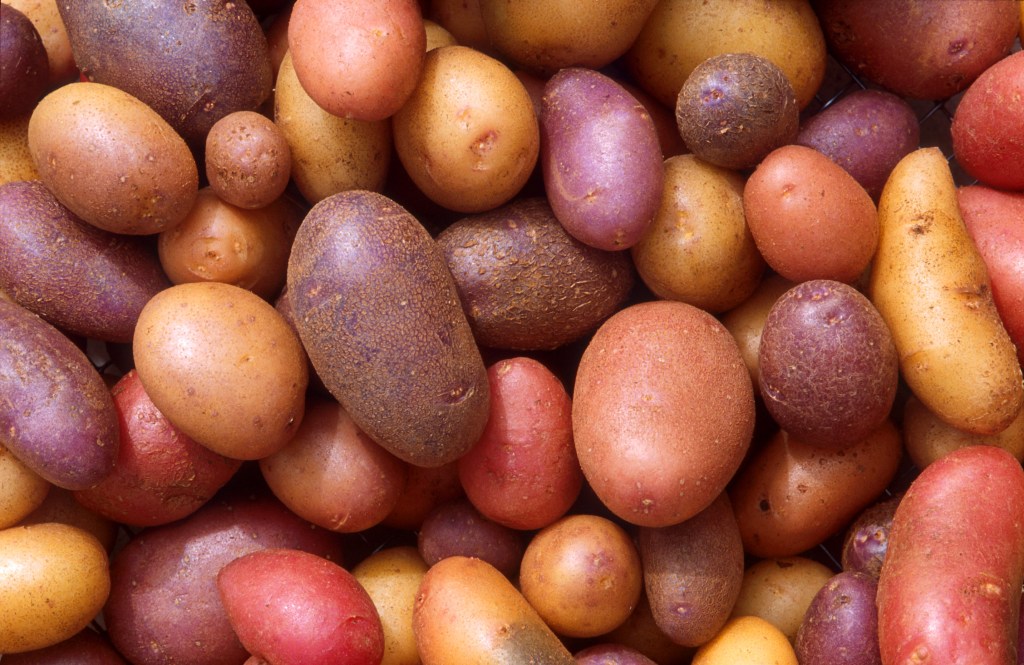
If you’ve ever thought potatoes required a sprawling garden bed, you’re in for a pleasant surprise. Growing them in a bucket is one of the easiest ways to get a hefty harvest without needing much room at all. This method works beautifully for small backyards, patios, or even a sunny balcony. All you need is a container, some quality soil, and a little patience. It’s a low-maintenance project that’s surprisingly satisfying from start to finish.
Choosing the Right Bucket and Potato Variety
Start with a sturdy bucket that holds at least five gallons—bigger is even better if you’ve got the space. Make sure the bottom has drainage holes so excess water can escape; otherwise, you’ll risk rotting the tubers before they’ve even begun. When it comes to potato varieties, early or mid-season types work wonderfully in containers since they mature quickly. Yukon Gold, Red Pontiac, and fingerling potatoes are all reliable choices. Pick seed potatoes from a garden center rather than using ones from the grocery store, as they’re less likely to carry disease.
Preparing and Planting
Before planting, cut your seed potatoes into chunks, each with at least one or two “eyes” (the little buds where sprouts emerge). Let them sit for a day or two to form a dry skin over the cuts—this helps prevent rotting once in the soil. Fill the bottom third of your bucket with loose, rich potting mix, then nestle the potato pieces in with the eyes facing upward. Cover them with about four inches of soil, and give them a gentle watering. Keep the bucket in a sunny spot where it will get at least six hours of light daily.
Caring for Your Potato Plants
As the plants start to grow, you’ll want to “hill” them by adding more soil or compost around the stems, leaving only the top leaves exposed. This encourages more tubers to form along the buried stems and keeps them from turning green in the sunlight. Water consistently so the soil stays moist but never soggy—potatoes dislike sitting in waterlogged soil. A light feeding with a balanced fertilizer every few weeks will keep the plants strong and productive. Be sure to watch for pests like aphids or potato beetles, and remove them promptly to avoid damage.
Harvesting Your Bucket Potatoes
Once the plants flower and the foliage begins to yellow and die back, it’s usually time to harvest. You can gently tip the bucket over and sift through the soil to collect your potatoes, or you can carefully dig them out by hand if you’d like to harvest a few at a time. Early varieties can be ready in as little as ten weeks, while others may take a bit longer. After harvesting, let your potatoes cure in a cool, dark place for a week or so to toughen their skins. They’ll store well for weeks, sometimes months, if kept dry and out of direct light.
Growing Potatoes
Growing potatoes in a bucket is proof that you don’t need a large plot of land to enjoy fresh, homegrown produce. It’s a project that’s fun, simple, and perfect for gardeners of all levels. With just a bucket, a bit of soil, and some seed potatoes, you can turn a small corner of your outdoor space into a productive mini farm. The satisfaction of tipping out a bucket brimming with golden spuds is hard to beat. Plus, there’s nothing quite like the taste of potatoes you grew yourself—it’s comfort food with a side of pride.
 All Planted Out
Leave a comment