
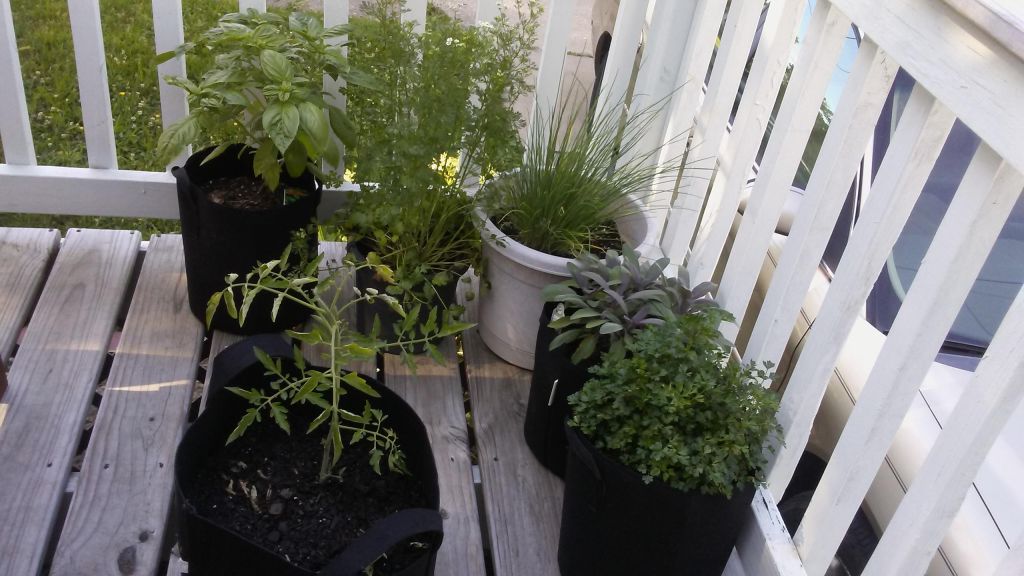
There’s something magical about stepping outside and snipping a few fresh sprigs of basil or mint for dinner. Even if you don’t have a sprawling backyard or a perfectly manicured garden, you can still create a lush, aromatic retreat right on your patio. Herb gardens are not only practical—they’re also beautiful, adding life, fragrance, and charm to your outdoor space. Best of all, they’re surprisingly simple to put together. Whether you’re new to gardening or just want to maximize a small space, a patio herb garden is a rewarding project that can bring flavor and freshness right to your doorstep.
Choosing the Right Spot
Before you rush out to buy pots and plants, take a look at your patio and notice where the sun falls during the day. Most herbs love sunshine and will need about six hours of light to thrive. Basil, rosemary, oregano, and thyme are all sun worshippers. On the other hand, parsley, mint, and chives are a little more forgiving and can handle some shade.
If your patio doesn’t get a full day of direct light, don’t worry. Position your containers in the brightest spots you have, or consider using lightweight pots that can be moved around as the sun shifts. Another option is to install a small plant stand with wheels, which makes it easy to rotate your mini-garden when needed.
Picking Your Pots and Containers
Containers are where you can really have some fun and add personality to your garden. Terra cotta pots are a classic choice, but they dry out quickly in hot weather. Glazed ceramic pots hold moisture better and come in endless colors and designs. If you’re after a rustic look, wooden crates or barrels make charming herb planters. Even recycled containers, like old colanders or tin buckets, can work if you add drainage holes at the bottom.
The key here is drainage. Herbs don’t like to sit in soggy soil. Make sure whatever container you choose has at least one hole in the bottom. If you fall in love with a pot that doesn’t have drainage, you can still use it by slipping a plastic nursery pot inside and pulling it out to water.
Soil and Fertilizer: Setting the Stage
Herbs are hardy, but they still need the right foundation to flourish. Skip garden soil, which tends to be heavy and can compact in containers. Instead, use a high-quality potting mix—it’s lightweight and drains well, which helps prevent root rot.
A slow-release fertilizer mixed into the soil at planting time can keep your herbs well-fed for months. Alternatively, you can use a liquid fertilizer every few weeks during the growing season. Just go easy—too much fertilizer can make herbs grow fast but weak, and sometimes it even dulls their flavor.
Choosing Your Herbs
Now for the fun part: deciding which herbs to grow. The best advice is to start with what you actually like to eat. If you love Italian cooking, basil, oregano, and parsley are must-haves. For grilling, rosemary and thyme add depth to meats and vegetables. Mint is refreshing for drinks and desserts, but it spreads aggressively, so it’s best kept in its own container.
Mixing textures and scents can make your patio garden even more enjoyable. Pair the upright, woody stems of rosemary with the delicate leaves of cilantro, or plant lavender near your seating area for its soothing fragrance. Don’t be afraid to experiment—you’ll quickly learn which herbs become your favorites.
Watering and Maintenance
Herbs are fairly low-maintenance, but they do need consistent care. The rule of thumb is to water when the top inch of soil feels dry. In the heat of summer, this might mean watering every day, especially for smaller pots. Be careful not to overwater—yellowing leaves are a sign you might be giving your plants too much.
Regular trimming encourages herbs to grow fuller and prevents them from getting leggy. The bonus, of course, is that you get to use those trimmings in your cooking. Harvest in the morning when the oils are most concentrated, and never take more than one-third of the plant at a time.
Adding Style to Your Space
A patio herb garden isn’t just about utility—it’s also a chance to dress up your outdoor space. Group pots of different heights together for a layered look, or arrange them on a tiered plant stand to save space. Hanging baskets are perfect for trailing herbs like thyme or oregano, while wall-mounted planters can transform a blank wall into a living, edible display.
Labeling your plants with small chalkboard signs or painted stones adds a personal touch and makes it easier to tell your oregano from your marjoram at a glance. You could even mix in a few flowering plants for pops of color among the greenery.
Troubleshooting Common Problems
Even the best gardens hit a few snags. If you notice your herbs looking weak or pale, they may need more sunlight or a small dose of fertilizer. If leaves are turning yellow and the soil stays damp, it’s probably a drainage or overwatering issue. And if pests like aphids or spider mites show up, try a gentle spray of water or a natural insecticidal soap before reaching for harsher solutions.
The good news is that most herbs bounce back quickly once their needs are met, so don’t get discouraged if you run into problems. Gardening is a learning process, and each season teaches you something new.
A Garden You Can Taste
Creating a patio herb garden is one of the simplest ways to bring freshness and flavor into your daily life. With just a few pots, the right soil, and a bit of sunshine, you can transform a small outdoor space into a productive and beautiful retreat. The joy of clipping your own herbs for dinner—or just enjoying their fragrance as you sit outside—makes the effort more than worthwhile.
So whether you’re a seasoned gardener or a complete beginner, give patio herbs a try. They’ll reward you with vibrant greenery, delicious flavors, and that satisfying feeling of growing something with your own hands.
 All Planted Out
Leave a comment