

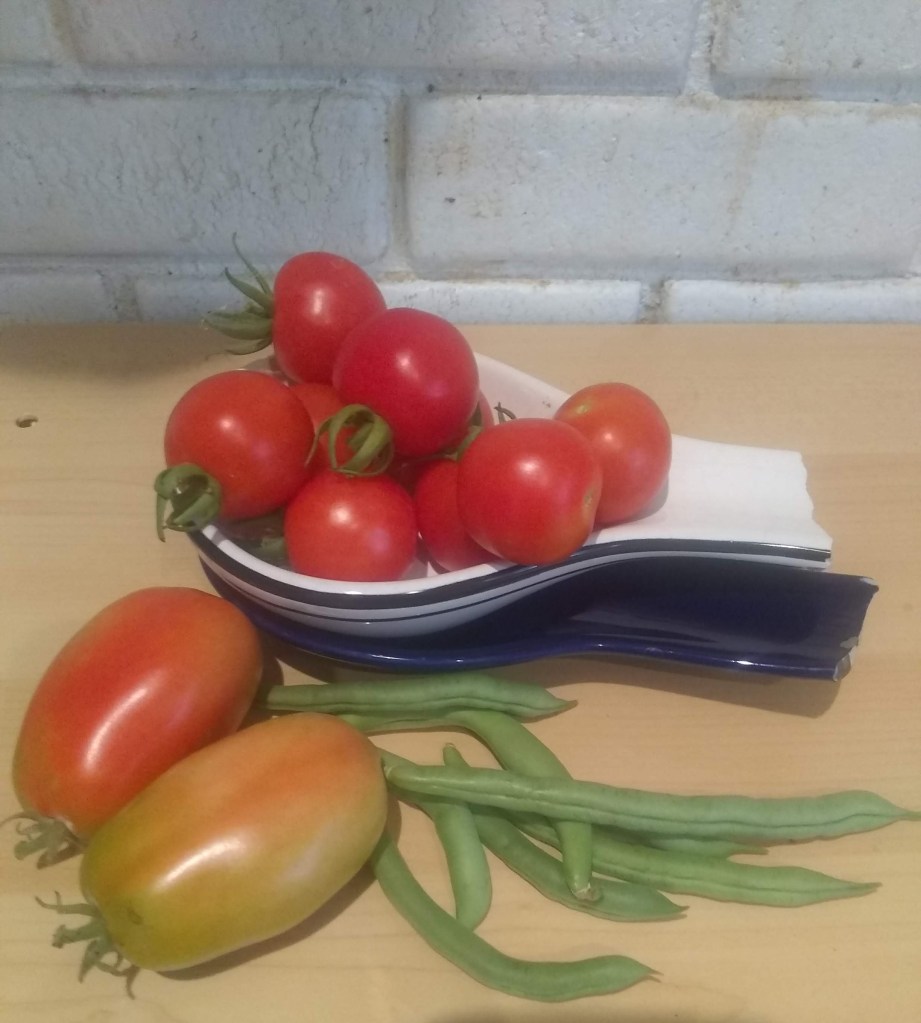
here’s nothing quite like stepping into the garden and realizing it’s time to harvest. After weeks—or sometimes months—of watering, weeding, and watching your plants grow, the payoff is finally here. But here’s the thing: harvesting isn’t just about plucking vegetables or snipping herbs whenever you feel like it. Timing, technique, and a little bit of know-how can make a big difference in how much flavor you get and how long your produce lasts. Whether you’re brand new to gardening or you’ve been at it for years, it never hurts to brush up on some harvesting tips.
Harvest When the Flavor is at Its Peak
One of the simplest yet most overlooked tips is knowing when to harvest. The size of a vegetable doesn’t always equal ripeness. For example, zucchini is tastiest when it’s about six to eight inches long, not when it has ballooned into a baseball bat. Smaller cucumbers tend to be crisper, while overripe ones can get seedy and bitter. Tomatoes, on the other hand, are usually best when fully colored but still firm. If you pick them too soon, they’ll finish ripening indoors, but they might not develop that rich, sun-warmed sweetness.
The same goes for leafy greens. Lettuce and spinach can quickly turn bitter if left too long. Pick them young, and you’ll enjoy tender, flavorful leaves that practically melt in your mouth. Think of harvesting as catching your crops at their best performance, not just their biggest.
Use the Right Tools
Harvesting by hand is perfectly fine for some crops, but having the right tools can save your plants—and your back. A sharp pair of pruners or scissors makes for clean cuts, which reduces damage to stems and encourages more growth. Garden knives are also handy for cutting through tougher stalks like broccoli, cabbage, or even pumpkins when the season comes around.
Avoid tugging or pulling vegetables free unless that’s the recommended method. Yanking on plants can stress the roots or even pull the entire plant out of the ground when you only wanted a handful of beans. Investing in a good pair of gloves and a basket or bucket with a handle can also make the whole experience easier and more enjoyable.
Morning is the Best Time
If you can, harvest in the morning. The air is cooler, plants are well-hydrated from the night, and their flavors are often at their strongest. Herbs, for instance, hold onto their essential oils best in the early hours, which means better taste and fragrance when you bring them into the kitchen. By midday, heat can cause leaves to wilt and fruits to lose a bit of their crispness.
Of course, sometimes schedules don’t allow for morning harvesting, and that’s okay. Just try to avoid the hottest part of the afternoon. Evening can be a decent second choice, as plants often recover from the day’s heat by then.
Handle Produce Gently
It might seem obvious, but rough handling can shorten the lifespan of your harvest. Bruised tomatoes, squashed berries, or bent beans won’t store as well, and damaged spots are more prone to rot. Use both hands when needed—one to hold the plant steady, the other to pick. Place produce gently into your basket instead of tossing it in.
If you’re picking root crops like carrots or beets, loosen the soil a bit with a trowel before pulling them up. That way, you don’t risk snapping the tops off or breaking the roots. Think of it as giving your veggies a soft landing so they make it from garden to table in the best shape possible.
Harvest Frequently to Encourage More Growth
Many plants are eager to keep producing as long as you keep picking. Beans, peas, cucumbers, and zucchini are excellent examples. The more you harvest, the more they’ll reward you. Leave them too long, and the plant often slows down or stops altogether, focusing its energy on maturing seeds instead of making new fruit.
Even herbs benefit from regular trimming. Snip off the top growth of basil, mint, or parsley, and they’ll branch out, creating fuller plants and more leaves for you down the line. A little consistency goes a long way.
Know How to Store Each Crop
Once you’ve gathered your bounty, proper storage helps it last longer. Tomatoes, for example, should stay at room temperature rather than the fridge, which dulls their flavor. Carrots and beets keep well in the fridge, but it’s best to remove the leafy tops first since they pull moisture from the roots. Herbs can be stored like fresh flowers in a glass of water, or you can dry or freeze them for later use.
Don’t forget about crops that do well curing before storage. Garlic and onions, for instance, need a couple of weeks in a dry, airy space before they’ll last through the winter. Squash and pumpkins benefit from a similar process, toughening their skins so they hold up in cool storage for months.
Celebrate the Harvest
Harvesting isn’t just about filling baskets—it’s about enjoying the fruits of your labor. Take a moment to appreciate the colors, the scents, and the sheer satisfaction of growing your own food. Snap a photo, share some extras with friends or neighbors, or try a new recipe that highlights your garden’s flavors. Harvesting is a reminder that gardening is a cycle: what you pick today makes room for what’s to come tomorrow.
Wrapping It Up
Harvesting is one of the most rewarding parts of gardening, but it’s also a skill you can refine with practice. Timing, gentle handling, and a few good habits can make your harvests taste better, last longer, and encourage your plants to keep producing. Whether you’re cutting herbs in the cool of the morning or pulling up carrots with dirt still clinging to their roots, each moment is a small celebration of patience and care paying off.
So grab your basket, your favorite pruners, and maybe even a hat for the sun—and step into the garden knowing you’ve got the tools and tips to make the most of your harvest season.
 All Planted Out
Leave a comment